- Flat 450 Off above 1999 | Flat 250 Off above 1399
- Flat 450 Off above 1999 | Flat 250 Off above 1399
- Flat 450 Off above 1999 | Flat 250 Off above 1399
- Flat 450 Off above 1999 | Flat 250 Off above 1399
- Flat 450 Off above 1999 | Flat 250 Off above 1399
- Flat 450 Off above 1999 | Flat 250 Off above 1399






Does Color-Adjusting Makeup Really Work?
Maya Deiss
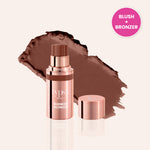
Have you ever wondered if that color-changing blush actually customizes to your skin, or if pH-changing oil products are just clever marketing? With viral beauty trends flooding your feed, you're not alone in questioning whether color-adjusting makeup lives up to the hype. Shade Shifter Lip & Cheek Oil and similar products promise a personalized shade based on your unique chemistry, but the reality involves more science than magic.
Color-adjusting makeup works through a legitimate chemical reaction, though the "customization" aspect is more nuanced than brands might suggest. The science behind these products is real, but understanding what you're actually getting helps set realistic expectations for your beauty routine.
The Science Behind pH-Reactive Makeup
Your skin maintains a naturally acidic pH level, typically ranging between 4.5 and 5.5. pH measures how acidic or alkaline a substance is on a scale from 0 to 14, with 7 being neutral. When pH-reactive makeup meets your skin's specific pH level, a chemical reaction occurs that triggers a color change.
The chemistry works similarly to litmus paper from science class:
- Color-adjusting products contain special dyes that remain colorless in their base form
- When applied to skin, the difference in pH levels causes these dyes to shift structure
- The structural change reveals pigmentation, creating the visible color you see
- Most products use a dye called Red 27 (also listed as CI 45410 or Phloxine B)
According to today's research, "Red 27 is pH-driven. When it comes in contact with moisture, the change in solubility and pH causes the dye to turn bright pink."
Factors That Influence Your Final Shade
Beyond pH levels, several elements affect how color-adjusting makeup appears on you:
- Moisture levels: Hydrated lips and cheeks allow better dye activation, while dry skin may show less intense color
- Skin texture: Smoother skin provides more even color distribution
- Time of day: Your skin's pH fluctuates throughout the day based on environmental factors, stress levels, and hydration, which explains why your color-changing blush might look different in the morning versus the evening
- Underlying skin tone: The sheer nature of pH-reactive dyes means your natural pigmentation shows through, creating the illusion of customization
Real Benefits of Color-Adjusting Makeup
Despite the overstated customization claims, pH-reactive makeup offers genuine advantages:
- Mistake-proof application: Since the product adapts to work with your natural coloring, you're unlikely to choose a completely wrong shade
- Natural-looking results: The sheer, buildable nature creates a flush that enhances rather than masks your skin
- Multi-use convenience: Many formulas like Shade Shifter Lip & Cheek Oil work on both lips and cheeks, simplifying your routine
-
Hydrating formulations: pH-reactive products often include nourishing ingredients like oils and butters that care for skin while adding color
Potential Drawbacks to Consider
Color-adjusting makeup isn't perfect for everyone. Keep these limitations in mind:
- Limited color range: If you prefer bold, unconventional colors or deeper shades, pH-reactive options will feel restrictive
- Staining potential: Red 27 can stain skin, which isn't dangerous but may be frustrating if you want easy removal
- Not suitable for eyes: Due to staining concerns, most pH-reactive products aren't recommended for eye area use
- Water dependency: The color only activates with moisture, so extremely dry skin may not trigger the full effect
How to Get the Best Results
Maximize your pH-changing oil or blush performance with these tips:
- Start with hydrated skin: Apply to well-moisturized lips or cheeks for optimal color payoff
- Layer gradually: Build intensity slowly rather than applying heavily at once
- Pair with skincare: Use products as part of a complete routine that maintains healthy skin pH
- Test timing: Apply at different times of day to see when your skin chemistry creates your preferred shade
- Blend quickly: Work the product in while it's still activated for seamless application
Marketing vs. Reality
Color-adjusting makeup works through legitimate chemistry. The pH reaction is real and creates a visible color change. However, the "custom shade for everyone" marketing oversells what's actually happening. You're getting a sheer pink that interacts with your natural coloring, not a truly unique color created by your individual chemistry.
For many people, that's perfectly fine. The ease of use and natural finish make products like Shade Shifter Lip & Cheek Oil valuable additions to streamlined beauty routines. Just approach with realistic expectations.
The Typsy Beauty Difference
Before we dive deeper into the science, you should know about Typsy Beauty's Shade Shifter Lip & Cheek Oil. Shade Shifter Lip & Cheek Oil combines the pH-reactive technology we'll discuss with nourishing ingredients for a truly multifunctional product.
If you're looking for a subtle flush or buildable color, Typsy Beauty offers a formula that works with your skin's natural chemistry.
Frequently Asked Questions
Does pH-changing makeup damage your skin?
No, pH-reactive makeup doesn't alter your skin's natural pH or damage your skin barrier. The chemical reaction simply responds to your existing pH level without changing it.
Why does my color-adjusting blush look different every day?
Your skin's pH fluctuates based on factors like hydration, diet, hormones, and environmental conditions. These subtle shifts can create minor variations in how pH-reactive products appear.
Can color-adjusting makeup work on all skin tones?
Yes, the chemistry works the same regardless of skin tone. However, the final appearance varies because the sheer pink overlays your natural pigmentation. Deeper skin tones may need multiple layers for visible color.
How long does the color last compared to regular makeup?
Oil-based products like Shade Shifter Lip & Cheek Oil typically provide moisturizing wear that requires reapplication throughout the day, similar to traditional lip oils or cream blushes.
Are there color-adjusting makeup options beyond pink?
Current technology primarily produces pink to fuchsia shades because Red 27 is the main available pH-reactive dye. Dramatic color variety isn't yet possible with pH-reactive formulas.
Where can I find quality pH-reactive products?
Typsy Beauty's Shade Shifter collection offers pH-reactive formulas with nourishing oils for both effective color-changing effects and skincare benefits.


