- Flat 450 Off above 1999 | Flat 250 Off above 1399
- Flat 450 Off above 1999 | Flat 250 Off above 1399
- Flat 450 Off above 1999 | Flat 250 Off above 1399
- Flat 450 Off above 1999 | Flat 250 Off above 1399
- Flat 450 Off above 1999 | Flat 250 Off above 1399
- Flat 450 Off above 1999 | Flat 250 Off above 1399
- Flat 450 Off above 1999 | Flat 250 Off above 1399
- Flat 450 Off above 1999 | Flat 250 Off above 1399
- Flat 450 Off above 1999 | Flat 250 Off above 1399
- Flat 450 Off above 1999 | Flat 250 Off above 1399
- Flat 450 Off above 1999 | Flat 250 Off above 1399
- Flat 450 Off above 1999 | Flat 250 Off above 1399





Setting Spray vs Setting Powder: The Ultimate Showdown
Maya Deiss
Ever applied a flawless beat in the morning only to find it melting off by noon? The secret to makeup that actually lasts lies in understanding powder vs spray and knowing exactly when to use each.
Both are essential make
up finishing products for long-lasting makeup, but they work in completely different ways. Let's break down the science, the application techniques, and help you decide which one deserves a permanent spot in your routine.
What Exactly Is Setting Powder?
Setting powder is a finely milled makeup setting product designed to absorb excess oil, mattify your complexion, and lock cream and liquid products firmly in place. The result? A smooth, velvety finish that blurs imperfections and prevents foundation from settling into fine lines.
The science behind it is straightforward. Ingredients like silica, talc, and rice starch work as oil-absorbing agents that create a smooth, matte finish on the skin's surface. According to research published on SpecialChem, these powder-based ingredients provide instant oil absorption and mattifying benefits by sitting on skin and soaking up sebum throughout the day.
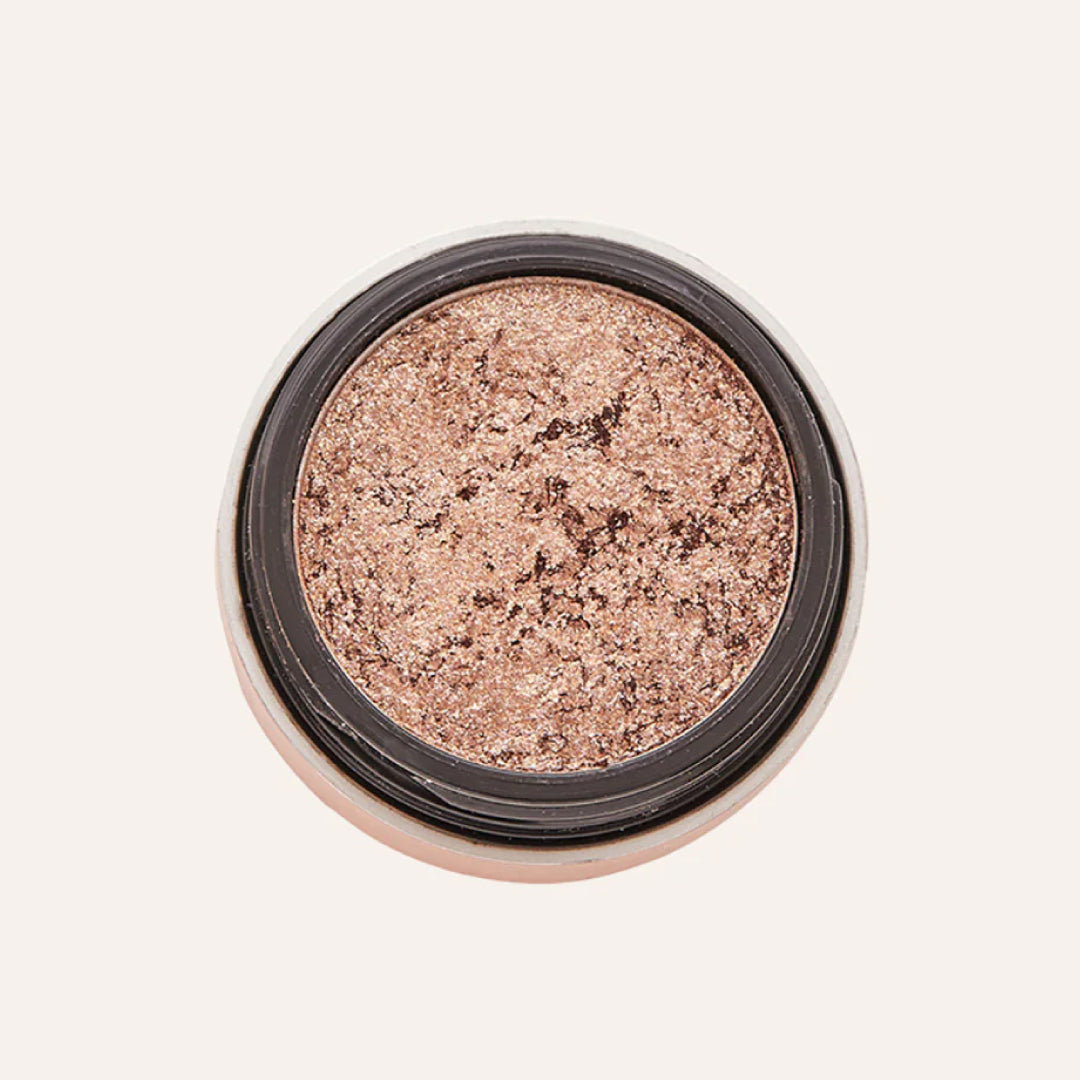
Setting powders come in two main formats: loose and pressed. Pressed powders like the Typsy Beauty Hustle & Grind Setting Powder are perfect for on-the-go touch-ups, featuring a unique built-in powderizer for precise, mess-free application.
When Setting Powder Works Best
Setting powder shines when you need to control oil in your T-zone, set under-eye concealer without creasing, or achieve a soft-focus finish that photographs beautifully. Oily and combination skin types struggling with midday shine benefit most from powder.
What Does Setting Spray Do?
Setting spray is a liquid-based makeup finishing product that creates an invisible, protective film over your entire makeup look. Unlike powder, it doesn't sit on top of your skin; it bonds everything together.
The technology behind setting sprays relies on film-forming polymers. Research from the American Chemical Society explains that polymers in cosmetics create a flexible, protective barrier that enhances product longevity and adhesion. Common film-formers like PVP (polyvinylpyrrolidone) form an elastic mesh that keeps every layer of makeup locked in position.
No setting spray guide would be complete without mentioning that 68% of consumers now prioritise longevity in their makeup setting products, driving significant innovation in film-forming technologies.
Why Setting Spray Is Essential
Setting spray excels at waterproofing your look, refreshing makeup throughout the day, and eliminating that powdery, cakey finish. Spray also helps mesh powder products seamlessly with your skin, creating a more natural appearance crucial for long-lasting makeup.
Powder vs Spray: Key Differences
Knowing the powder vs spray distinction between these makeup finishing products helps you use them strategically.
Format and Application
Powder is applied with a brush, sponge, or puff to specific areas needing oil control. Spray is misted evenly across your entire face in an X and T pattern from about 20cm away.
How They Work
Powder physically absorbs oil and creates a barrier between your skin and the environment. Spray creates a flexible film that moves with your face while locking makeup in place. Think of powder as a blotting mechanism and spray as an invisible seal.
Finish Results
Powder delivers a matte, soft-focus finish that blurs pores and fine lines. Spray maintains whatever finish you've created, dewy, satin, or matte, without altering the look.
Oil Control
Powder wins hands down here. If excess sebum is your concern, setting powder actively absorbs oil throughout the day. Spray prevents transfer and fading, but won't mattify oily skin the same way.
The Science Behind Using Both
Here's the key insight: combining powder vs spray creates synergistic effects that outperform either product alone.
Setting powder first creates a stable base by absorbing excess moisture from liquid products. Then, setting spray locks everything together while melting away visible powder texture. The result? Flawless, long-lasting makeup.
The Hustle & Grind Setting Powder contains Coenzyme Q10, a powerful antioxidant that helps defend skin against free radicals while setting makeup. Available in multiple shades, including Strawberry Shake for cool undertones and Banana Smoothie for warm undertones.
How to Layer Your Products
Getting the order right matters for achieving long-lasting makeup results.
Step 1: Complete Your Base
Apply primer, foundation, concealer, and cream products first. Your base needs to be set before powder touches your face.
Step 2: Apply Setting Powder Strategically
Using the Powder Puff, press powder into areas prone to creasing and oiliness under the eyes, T-zone, and around the nose. The unique pizza-slice shape allows precision in tricky areas.
Step 3: Finish With Setting Spray
Mist in an X and T pattern with eyes closed. Let it dry naturally without touching your face.
Pro Tip: The Sandwich Method
For events requiring bulletproof makeup, try the sandwich technique. Apply a light mist before foundation, set with powder, then finish with another spray. Multiple bonding layers ensure nothing budges.
Choosing Products for Your Skin Type
Not all skin reacts the same to makeup setting products. Here's how to pick the right approach.
Oily Skin
Focus on powder as your primary makeup setting product for long-lasting makeup. The Hustle & Grind formula's silky, hydrating texture works for all skin types while controlling shine.
Dry Skin
Go light on powder, apply only where necessary. Choose hydrating spray formulas to add moisture while setting your look.
Combination Skin
Use powder selectively on oily zones; spray everywhere else. A targeted approach addresses different needs across your face.
Sensitive Skin
The Typsy Beauty face collection is dermatologically tested and 100% vegan, making it ideal for sensitive complexions.
Common Mistakes to Avoid
Over-Powdering: Too much looks cakey and accentuates fine lines. A light dusting is sufficient.
Skipping Setting Products: Even premium foundation fades without proper makeup setting products.
Wrong Application Distance: Spraying too close creates wet spots. Maintain a proper distance for even mist.
So, Which One Should You Choose?
The powder vs spray debate isn't about choosing one; it's about understanding how each contributes to complete, long-lasting makeup.
Powder handles oil absorption, blur, and crease prevention. Spray locks everything together. Together, these makeup finishing products create makeup that looks fresh from morning to midnight.
Check out Typsy Beauty makeup finishing products that actually deliver on their promises.
FAQs
Can I use a setting spray without setting powder?
Yes, but you'll miss oil control benefits. Any good setting spray guide recommends spraying alone only for dry skin types or minimal makeup looks.
Does setting powder make makeup last longer than spray?
Both extend wear differently. Check the setting spray guide for confirmation. Powder prevents creasing; spray creates protective barriers. Using both provides the best results.
Should I apply setting spray before or after powder?
Apply powder first to set your base, then finish with spray. The spray melts powder into the skin while locking everything in place.
Can setting powder alone work for oily skin?
Setting powder excels for oily skin and works alone for lighter makeup days. Adding spray provides extra insurance against humidity.
How often should I reapply?
Press powder every 4-6 hours for shine control. Spray can refresh your look anytime without adding product.