- Flat 450 Off above 1999 | Flat 250 Off above 1399
- Flat 450 Off above 1999 | Flat 250 Off above 1399
- Flat 450 Off above 1999 | Flat 250 Off above 1399
- Flat 450 Off above 1999 | Flat 250 Off above 1399
- Flat 450 Off above 1999 | Flat 250 Off above 1399
- Flat 450 Off above 1999 | Flat 250 Off above 1399






Redness and Uneven Tone: What Base to Use
Maya Deiss
Your nose is pink. Your cheeks are flushed in patches. Your chin has a different tone from your forehead. And most foundations either skip the redness entirely at light coverage or turn cakey when you layer enough to actually cover it. Redness and uneven skin tone are two of the most common base makeup challenges in India, and neither responds well to the usual advice of "just find your shade." The problem is not your shade. It is the formula, the application, and whether the product does anything for the skin underneath. This guide walks through what actually works.
What Causes Redness in the First Place
Acne leaves behind inflamed red patches that linger for weeks. Rosacea causes persistent flushing across the cheeks and nose that flares with heat and stress. Sun damage triggers UV-induced inflammation, making unprotected skin look increasingly uneven. Sensitive skin reacts to products and weather, leaving temporary red patches.
Each type responds differently to makeup. Acne redness needs spot concealing. Rosacea needs a breathable, even layer. Sun damage needs SPF in the base itself.
Why Most Foundations Make Redness Worse
A thick foundation layered heavily to hide a few red patches traps heat against the skin, which triggers more flushing in rosacea-prone complexions. It settles into texture around healing blemishes and oxidises in Indian humidity, shifting shade by midday.
The best foundation for redness and uneven skin tone uses a different approach. A buildable base layer across the full face, with targeted concealing only on specific red spots.
The Base That Handles Both Jobs
The Foundcealer Flex is built for this two-step approach:
- The pump dispenses a buildable, full-coverage foundation that evens out overall tone in one layer.
- The built-in doe-foot wand lets you go back and conceal specific red spots, acne marks, and flushed patches at a higher density without adding product to the entire face.
[[product:foundcealer-flex]]
SPF 30 is in the formula, which matters because UV is the biggest trigger for both redness and pigmentation. Niacinamide is also built in. It calms inflammation, strengthens the skin barrier, and reduces redness with consistent daily use.
Twenty shades across warm, cool, neutral, and olive undertones mean you can match your actual skin tone, not just pick the closest option and hope.
Do You Need a Color Corrector
- A green colour corrector for redness neutralises red tones using the opposite side of the colour wheel.
- For severe rosacea or intense post-acne redness, a thin layer of green corrector on the red spots, blended gently before foundation, gives the most complete result.
- For mild to moderate redness, a buildable foundation with a concealer wand handles both jobs without the corrector step.
- The Foundcealer Flex wand targets specific spots at higher density, achieving a similar effect through coverage alone.
How to Apply Base Over Red, Uneven Skin
Step 1: Hydrate
- Wash and moisturise.
- Red, reactive skin needs a calm surface before any makeup goes on.
- Skip anything with alcohol, strong fragrance, or active acids right before applying base.
Step 2: Foundation Layer
- Pump the product onto the back of your hand.
- Dot across your face and blend with a damp Dip & Dab Beauty Blender using light bouncing motions.
- One even layer provides coverage plus SPF 30.
Step 3: Spot Conceal
- Use the doe-foot wand on remaining red patches, around the nose, over healing blemishes, and along the cheeks if rosacea-related flushing is still visible.
- Tap to blend.
- Do not drag across inflamed skin.
Step 4: Set Gently
- Dust translucent powder only on the T-zone.
- Avoid powdering flushed areas heavily since powder on dry, irritated skin looks chalky and draws attention back to the redness.
Choosing Colour on Top of a Corrected Base
Once redness is covered, adding colour back needs a careful hand. Too much blush on a corrected cheek can undo the work.
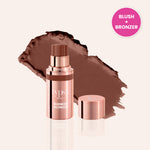
- The PH-antastic Colour Adjusting Blush is useful here because it reacts to your skin's pH rather than sitting as a fixed pigment. The result is a natural flush that works with your corrected base instead of clashing with it.
[[product:ph-antastic-colour-adjusting-blush]]
- For eyes, the Sip Sip Hooray Eye & Face Palette has 12 shades that range from soft neutrals to deeper tones, letting you shift focus toward your eyes and away from your skin.
- For lips, the Hi Honey! SPF Lip Oil adds gloss and SPF 25 without pulling attention back to redness on the lower face.
Calming the Skin Under the Makeup
Coverage handles the appearance. What happens underneath matters more. A foundation for rosacea-prone skin should contain calming ingredients. Niacinamide reduces inflammation. SPF prevents UV-triggered flushing. Moringa Seed Extract protects against pollution that irritates reactive skin. Wearing a base with these actives daily means the baseline redness decreases over weeks. Start building your routine at Typsy Beauty.
FAQs
What is the best foundation for redness and uneven skin tone?
A buildable full-coverage formula with SPF 30 and Niacinamide. The coverage evens out the surface, the SPF prevents UV-driven redness, and the Niacinamide calms inflammation over time.
Do I need a green color corrector for redness?
For severe rosacea or intense post-acne redness, yes. For mild to moderate redness, a high-coverage foundation with a targeted concealer wand can handle it without the extra step.
How do I stop foundation from making redness worse?
Apply a thin, breathable layer instead of a heavy coat. Use a damp sponge for even blending. Avoid products with alcohol or fragrance that irritate reactive skin. Set only the T-zone with powder.
Can redness-prone skin wear blush?
Yes. Use a pH-adjusting or sheer formula and apply to the apples of your cheeks only. Avoid heavily pigmented powder blushes that sit on top of the skin and clash with the corrected base.
Does SPF in foundation help with redness?
Yes. UV is a primary trigger for both rosacea flares and post-inflammatory redness. SPF 30 or higher in your daily base reduces UV-driven flushing over time.
How long does Niacinamide take to reduce redness?
Most people notice calmer, less reactive skin within 4 to 8 weeks of consistent daily use. Results depend on the severity of the redness and overall skincare routine.


